Material is an important factor when choosing a suppressor. It can affect weight, heat resistance, durability, and how well the suppressor fits a particular application.
Titanium and Inconel are both used in suppressor construction, but they offer different advantages. Neither is automatically the better option. The right choice depends on the firearm, expected firing schedule, and the user’s priorities.
What Is Titanium?
Titanium is a strong, lightweight metal with excellent corrosion resistance. Its high strength-to-weight ratio makes it especially valuable when reducing overall firearm weight is a priority.
Because a suppressor adds weight to the end of the barrel, its lighter material can help the firearm remain more comfortable to carry and easier to handle. This often makes titanium a good fit for hunting, long-range shooting, and other applications where portability and balance matter.
Titanium is durable, but heat exposure should still be considered. Sustained or rapid firing generates significant heat, so users should always follow the firing schedule and operating recommendations.
What Is Inconel?
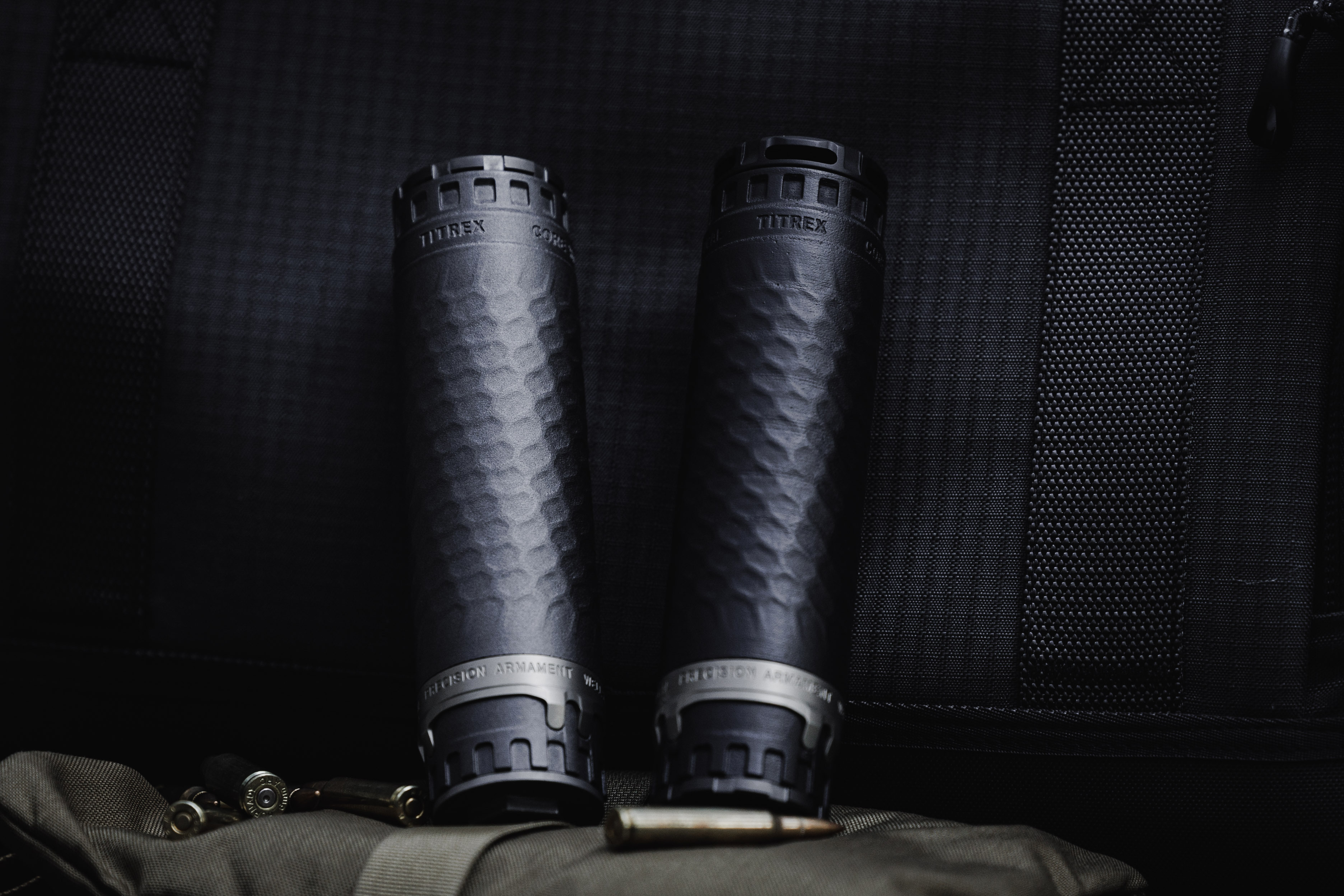
Inconel is a family of nickel-based alloys designed to perform in demanding, high-temperature environments. It maintains strength under extreme heat and offers strong resistance to oxidation and corrosion.
These qualities make Inconel well suited for suppressor components exposed to repeated firing and high temperatures. The main trade-off is weight. Inconel is denser than titanium and generally produces a heavier suppressor or component.
But material alone does not determine how a suppressor will perform. Size, internal design, wall thickness, manufacturing method, and the combination of materials used also influence the final product.
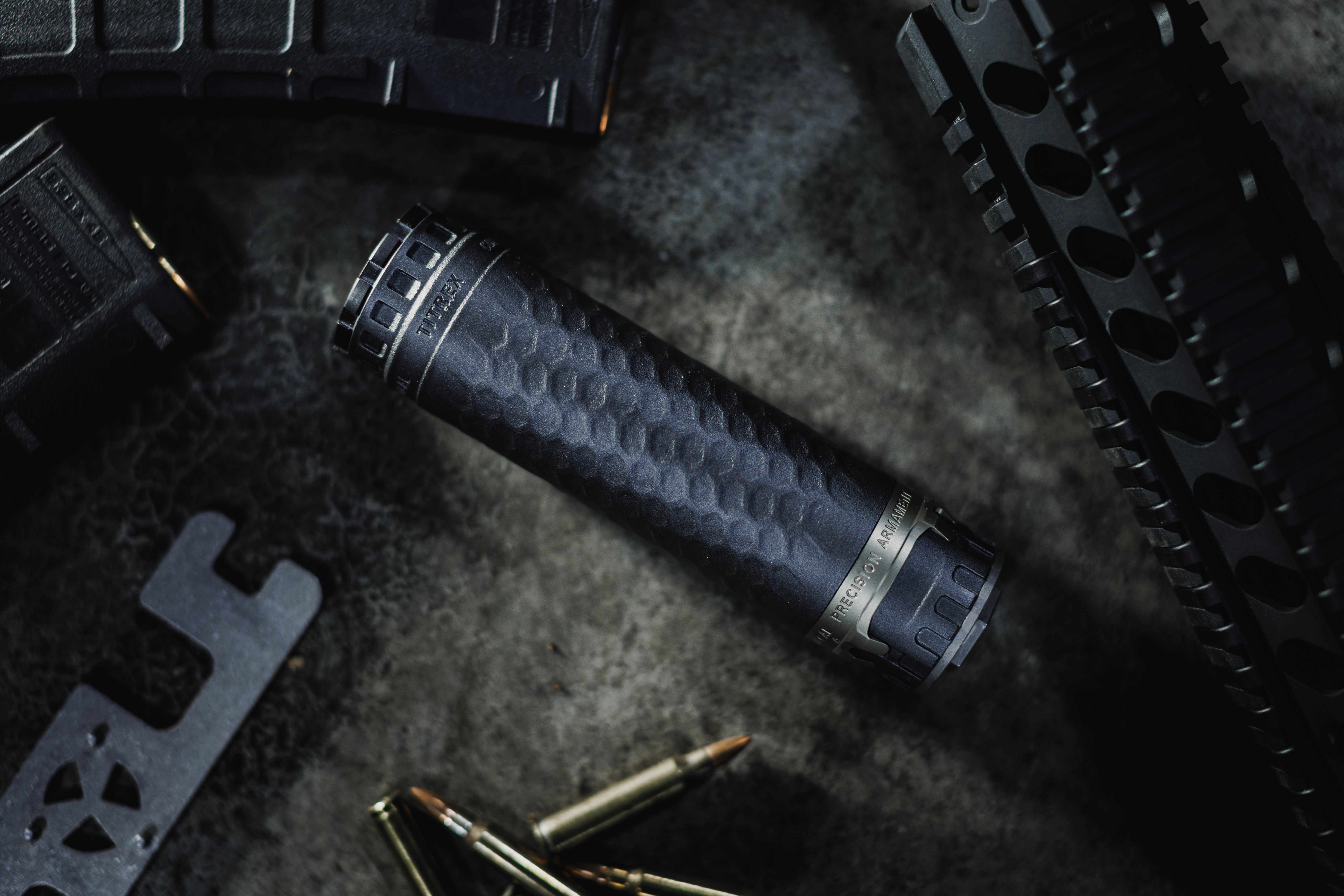
Titanium vs. Inconel |
||
|---|---|---|
|
Consideration |
Titanium |
Inconel |
|
Weight |
Lighter |
Heavier |
|
Heat tolerance |
Best within the recommended firing schedule |
Better suited for demanding, high-temperature use |
|
Durability |
Strong and corrosion resistant |
Highly durable under heat and repeated use |
|
Common priorities |
Portability, balance, hunting, and precision use |
Heat resistance, durability, and heavier firing schedules |
Choosing Based on Application
Ultimately, the intended use of the firearm should guide material selection.
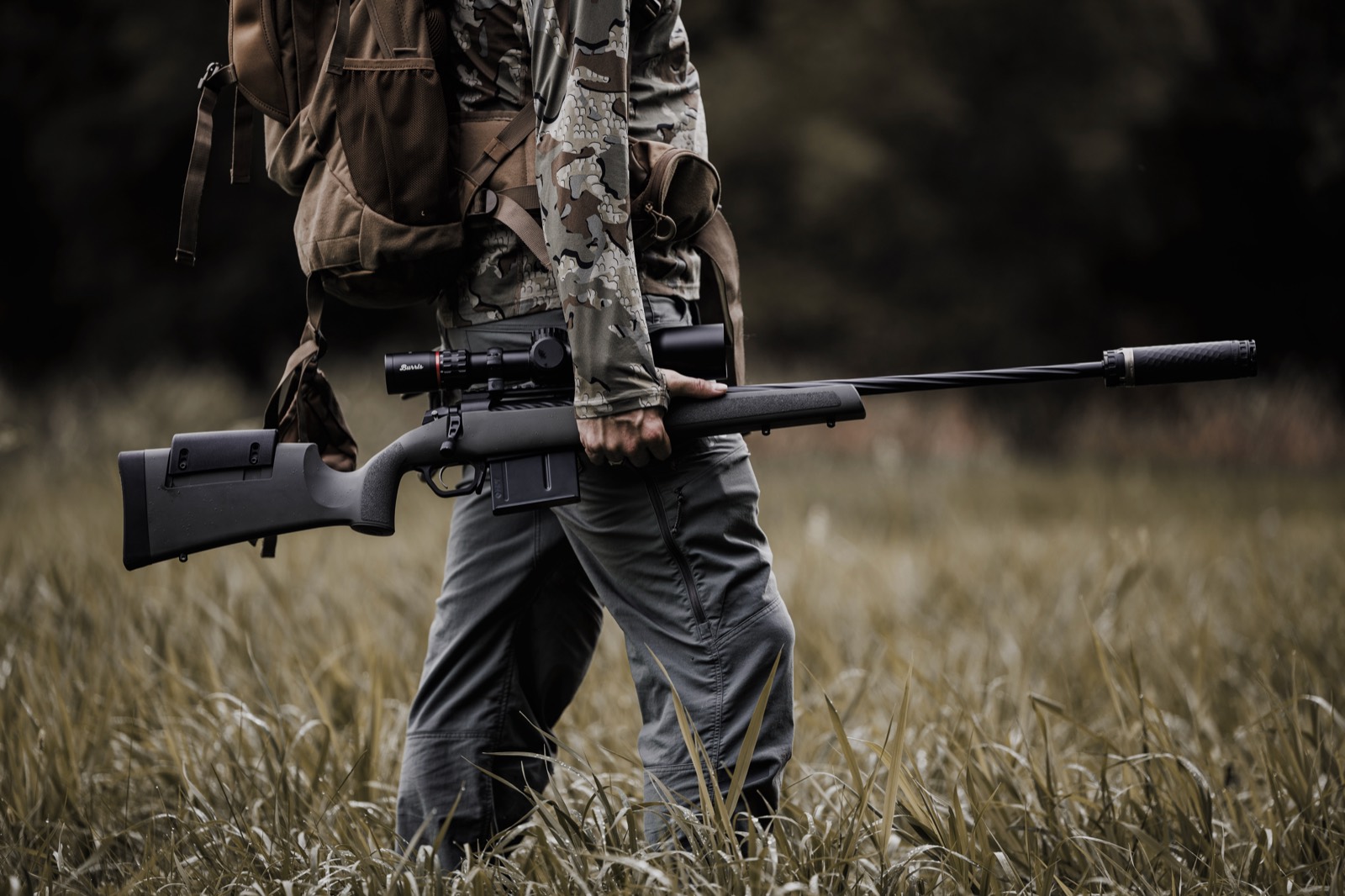
For hunting or long-range shooting, a titanium suppressor is likely a good option as it adds less weight to the end of the barrel. This can make the firearm easier to carry and help maintain balance.
For applications involving faster firing schedules, repeated strings of fire, or greater heat exposure, Inconel may be preferred for its ability to maintain strength at elevated temperatures.
Before selecting a suppressor, consider:
- The firearm and caliber
- The expected firing schedule
- How much added weight is acceptable
- Whether the firearm will be carried for long periods
- The level of heat exposure expected
- The manufacturer’s specifications and use recommendations
Precision Armament’s Approach
At Precision Armament, material selection is considered as part of the complete suppressor design. Intended use, weight goals, heat exposure, durability, and overall performance requirements help determine the appropriate material for each product or component.
Titanium can provide meaningful weight savings, while Inconel can offer added durability in high-temperature conditions. In some designs, materials may also be combined strategically to balance these benefits.