Hunting Suppressors vs Precision Rifle Suppressors: What’s the Difference?
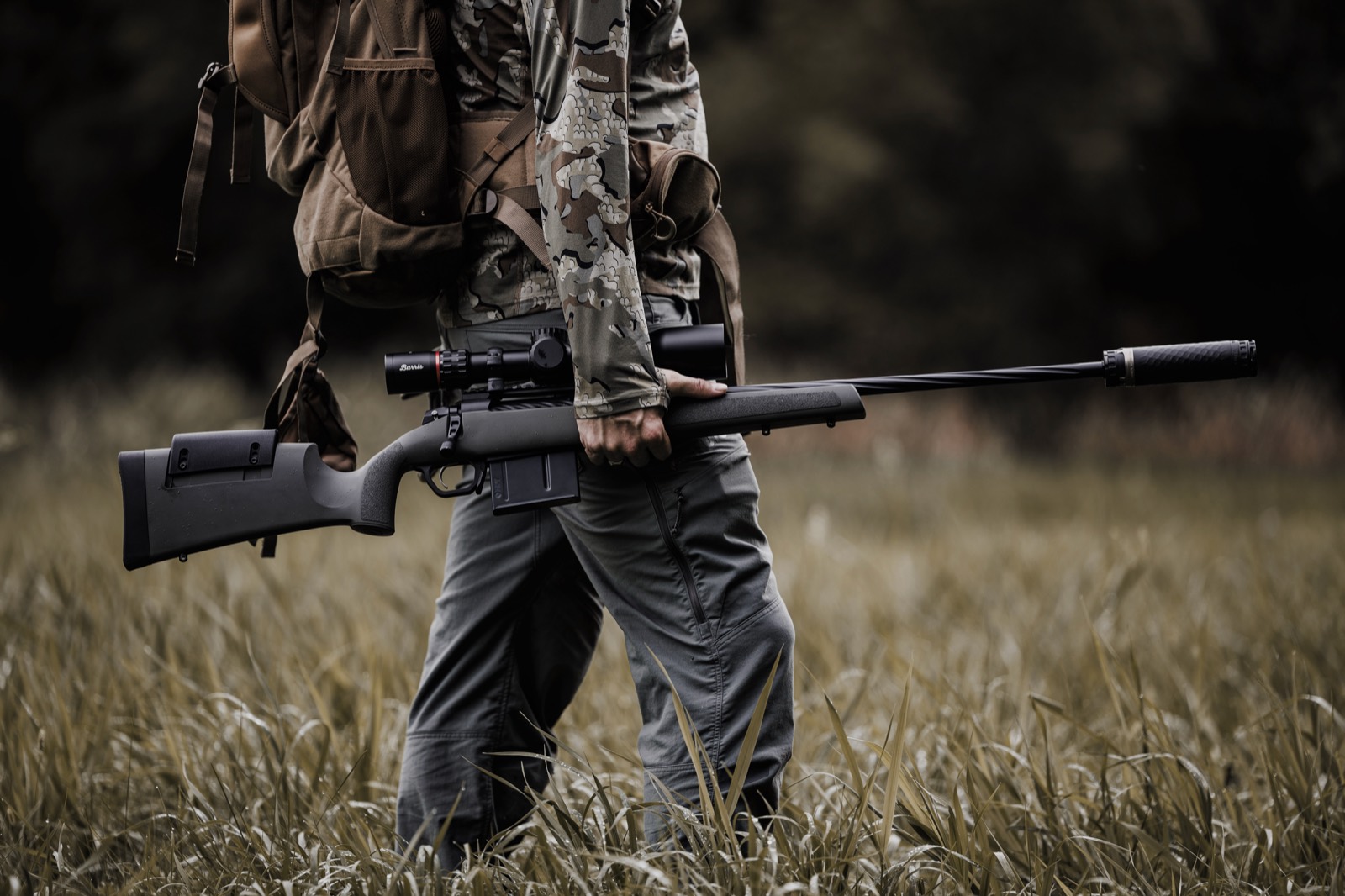
Hunting suppressors and precision rifle suppressors may look the same from the outside and produce the same sound suppression, but each is engineered around very different needs and priorities.
Hunting suppressors should be lightweight and maneuverable over miles of rough terrain and demanding conditions while a precision rifle should deliver repeatable performance through longer shooting sessions and maintain sight picture throughout the shot. Understanding the differences will help you select a suppressor that caters to your rifle, shooting style, and intended pursuit.
Hunting Suppressors
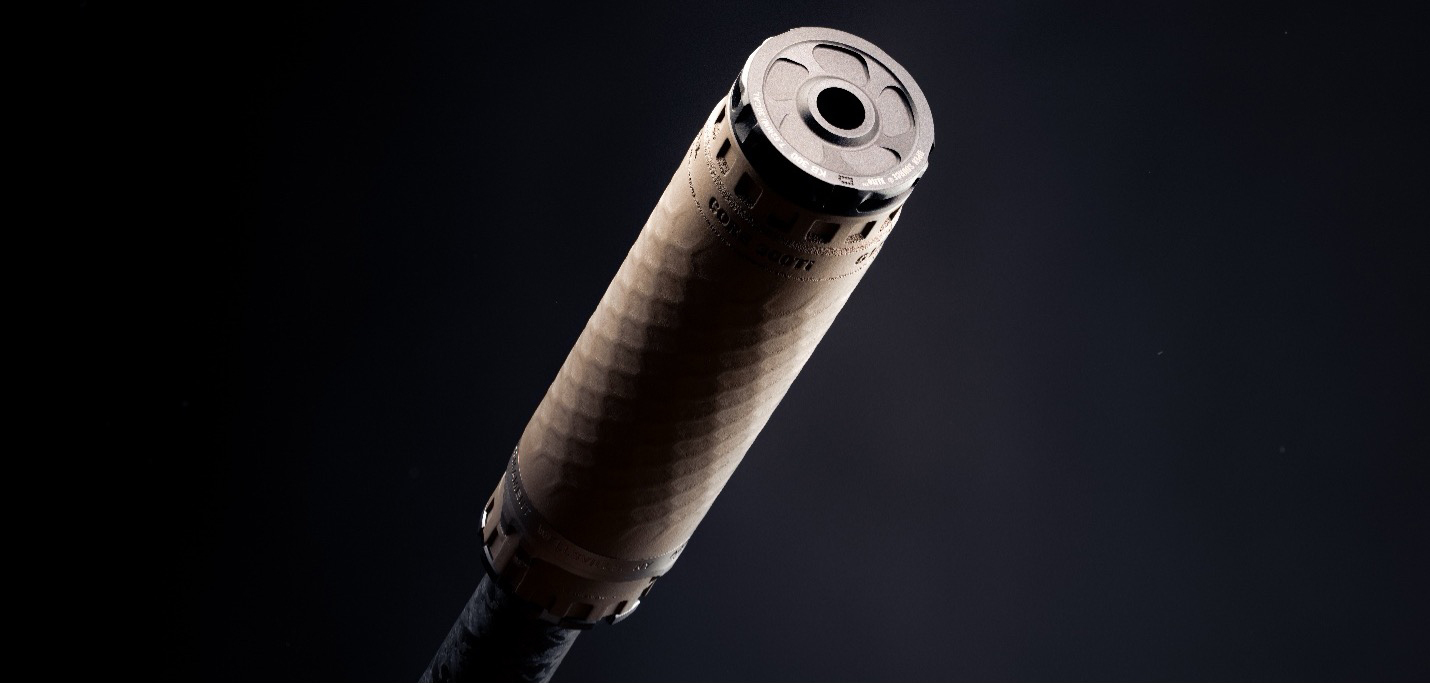
Hunting suppressors are carried far more than they are fired, which makes weight, length, and handling all very careful considerations. Adding weight at the muzzle can change the rifle’s balance which can ultimately cause difficulty to stabilize from improvised positions. Prioritizing the following features will allow for the best purchasing decision:
- Low Weight/ Minimal Impact on Rifle Balance
- Compact Dimensions
- No First Round Pop
- Broad Caliber Compatibility
- Corrosion Resistance
- Reliable Performance
Choose a Lightweight Material
Titanium is often used in hunting suppressors due to its excellent balance of strength, durability, and weight reduction. Advanced engineering and manufacturing methods can further optimize internal geometry without adding unnecessary mass.
First-Round Pop
When you only have one shot to take, first-round performance is essential. Some suppressors produce a noticeably louder first shot due to oxygen in the suppressors unpurged blast chamber. When fired, hot gases and unburnt powder mix with the oxygen, causing secondary ignition, resulting in a louder shot than the ones that follow. A well-designed hunting suppressor should minimize or eliminate first-round pop while maintaining useful sound reduction from a cold bore.
Maneuverability
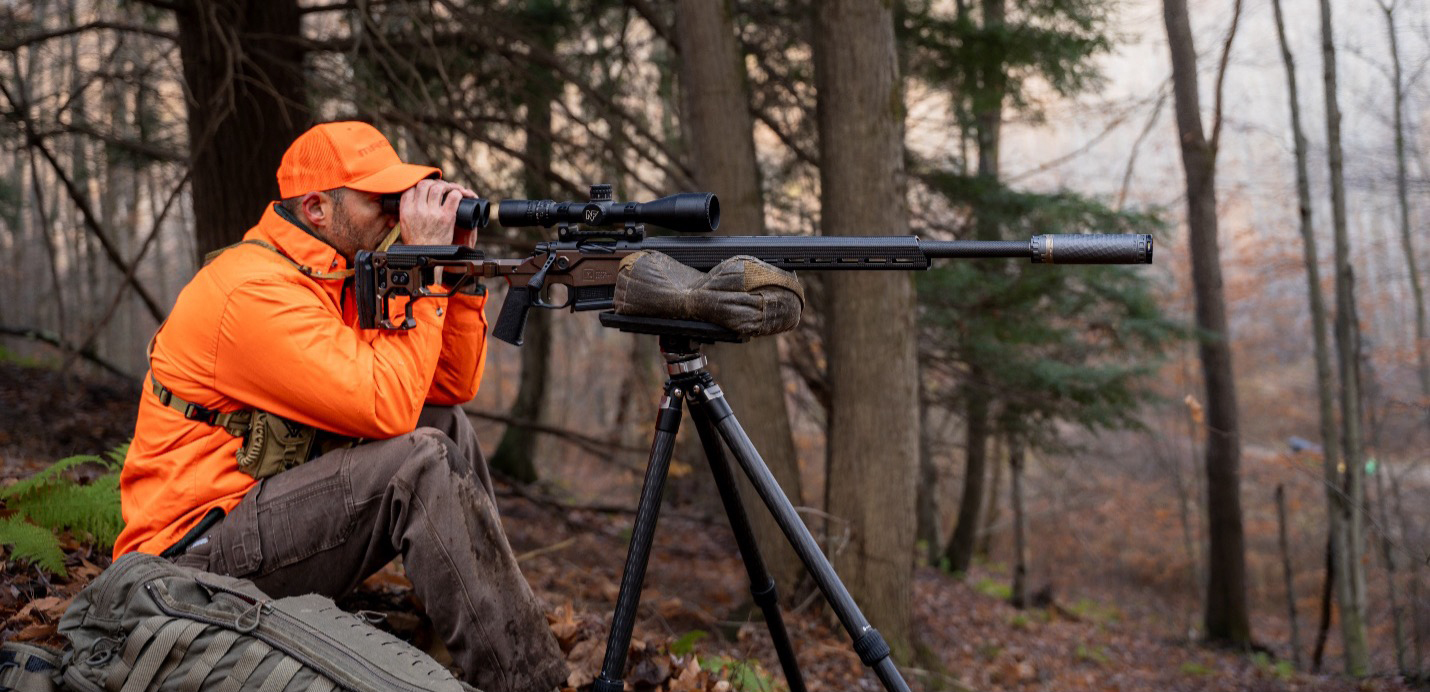
Look for suppressors that are compact and lightweight to enhance maneuverability in the field. A long suppressor can provide additional volume for sound reduction, but overall length comes with tradeoffs and can make the rifle difficult to manage in hunting blinds, vehicles, thick vegetation, and steep terrain.
The ideal suppressor will offer strong sound performance without turning your rifle into an awkward and cumbersome platform. Short-barreled rifles can help offset suppressor length but barrel-length restrictions, ballistic performance, state restrictions, and manufacturer ratings should always be considered.
Precision Rifle Suppressors
Unlike hunting suppressors that place a greater emphasis on features like weight and elimination of first-round pop, precision rifle suppressors should be engineered for features like consistency and repeatability for extended firing schedules, maintaining sight picture throughout the shot, and engaging targets across long, varying distances.
Prioritizing the following features will allow for the best purchasing decision:
- Minimal Point of Impact Shift
- Effective Recoil Management and Muzzle-Rise Reduction
- Performance Consistency
- Heat and Erosion Resistance
- Secure Mounting & Reliable Alignment
- Low Back Pressure
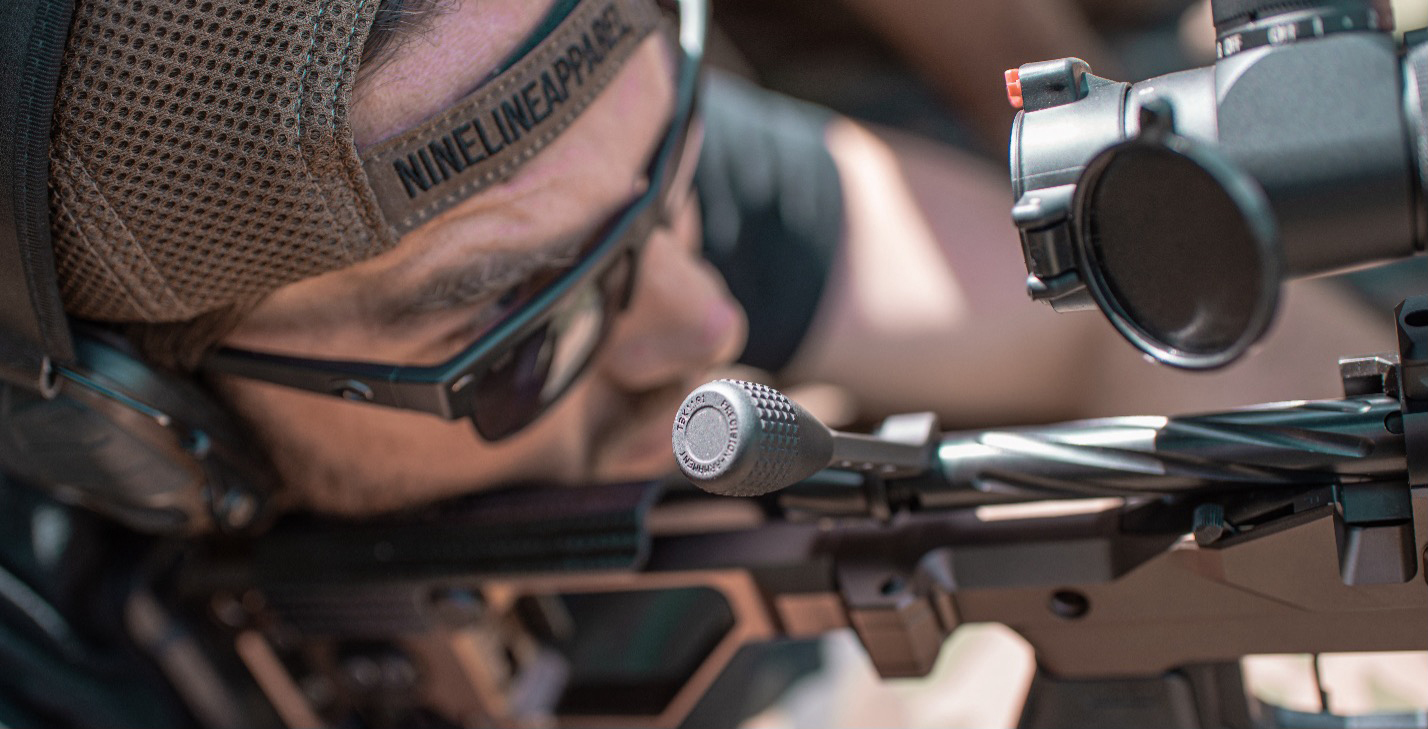
In PRS competitions where positional shooting and barricades are quite common, balance is a must. Titanium provides the best strength-to-weight ratio and helps prevent POI shift, while Inconel is a nickel-chromium superalloy that handles extreme heat and gas erosion better than almost any other material and 17-4 Stainless Steel offers exceptional rigidity, durability, and better heat retention for long strings of fire.
Repeatable POI Shift
Installing a suppressor changes the mass at the end of the barrel and alters how the barrel vibrates during firing. This can shift the bullet’s point of impact relative to the unsuppressed zero. POI shift does not automatically indicate poor suppressor performance, but the question should be raised – is the shift predictable and repeatable? If the rifle returns to the same zero every time, the shooter can document and compensate for the change. Precision applications demand a rigid, consistently aligned mounting system. Variable lockup, improper installation, or a loose suppressor can undermine repeatability.
Performance
It is very possible for precision shooters to fire enough rounds to heat the suppressor substantially. As temperatures rise, suppressor mirage can distort the sight picture and make small or distant targets more difficult to see (and hit). A great solution to combat this is utilizing a suppressor cover to trap the heat and keep the rising waves out of your optic’s line of sight.
Suppressor construction and material selection becomes more important as firing schedules increase. Titanium provides substantial weight savings but requires a bit more heat management than heavier high-temperature alloys.
|
Consideration |
Hunting |
Precision |
|
Primary Objective |
Portability & No FRP |
Repeatability & Sustained Precision |
|
Weight |
Critical |
Important but Secondary |
|
Length |
Compact |
Can be Longer for Greater Performance |
|
Firing Schedule |
Low-Volume, Intermittent Fire |
Longer Strings & Repeated Sessions |
|
No First-Round Pop |
Critical |
Important but Not Priority |
|
POI Behavior |
Predictable |
Repeatability is Essential |
|
Thermal Capacity |
Moderate Needs |
Greater Emphasis |
|
Materials |
Titanium |
Titanium, Stainless Steel, and High-Temperature Alloys or Hybrids |
|
Rifle Handling |
Mobile & Balanced |
Optimized for Supported Shooting |
Can One Do Both?
Despite different priorities, any well-engineered suppressor should deliver several fundamental benefits: maintained alignment and accuracy, well-managed recoil and muzzle movement, superior sound suppression, and rock-solid reliability. So, it begs the question – can one suppressor handle both roles effectively? Absolutely, but often with compromises depending on usage. A lightweight, full-size titanium suppressor may provide an effective balance for someone who hunts regularly but also practices precision shooting at a moderate pace. Similarly, a durable precision-oriented model may work well from a stationary hunting position where weight and maneuverability are much less critical. But no design can maximize every ideal feature and benefit at once for shooters who frequent both pursuits in high volumes. For example, more internal volume can improve suppression but added length and more material can increase thermal capacity.
To make a sound buying decision, consider the model that strengthens the rifle’s intended role without introducing unnecessary compromises.
Suggested Products:
-

TiTrex® 360Ti
$1,199.00 -

-