Suppressors can make shooting more comfortable by reducing muzzle blast, felt recoil, and visible flash. However, choosing one involves more than matching a suppressor to a caliber. Intended use, firearm compatibility, mounting style, size, weight, materials, and maintenance all affect which option makes the most sense.
Here are the basics to understand before buying your first suppressor.
What Does a Suppressor Do?
When a firearm is fired, rapidly expanding gases follow the bullet out of the barrel. A suppressor gives those gases additional space to expand and cool before they exit, reducing the sound and pressure produced at the muzzle.
The terms suppressor and silencer are often used interchangeably. Neither means the firearm becomes completely silent. The firearm’s action, ammunition, barrel length, caliber, and surrounding environment all influence what the shooter hears.
Supersonic ammunition also produces a sonic crack as the bullet travels faster than the speed of sound. A suppressor cannot remove that sound. Appropriate hearing protection should still be used whenever possible.
Why Use a Suppressor?
Sound reduction is the most familiar benefit, but it is not the only one. Depending on the firearm and suppressor, shooters may also experience:
- Reduced felt recoil
- Less visible muzzle flash
- A more comfortable shooting experience
- Easier communication at the range or in the field
- Less disturbance to nearby shooters, hunting partners, and the surrounding area
A suppressor may also make it easier to stay on target and observe impacts or follow-up shots. Results vary by firearm, ammunition, and suppressor design.
Start With the Intended Use
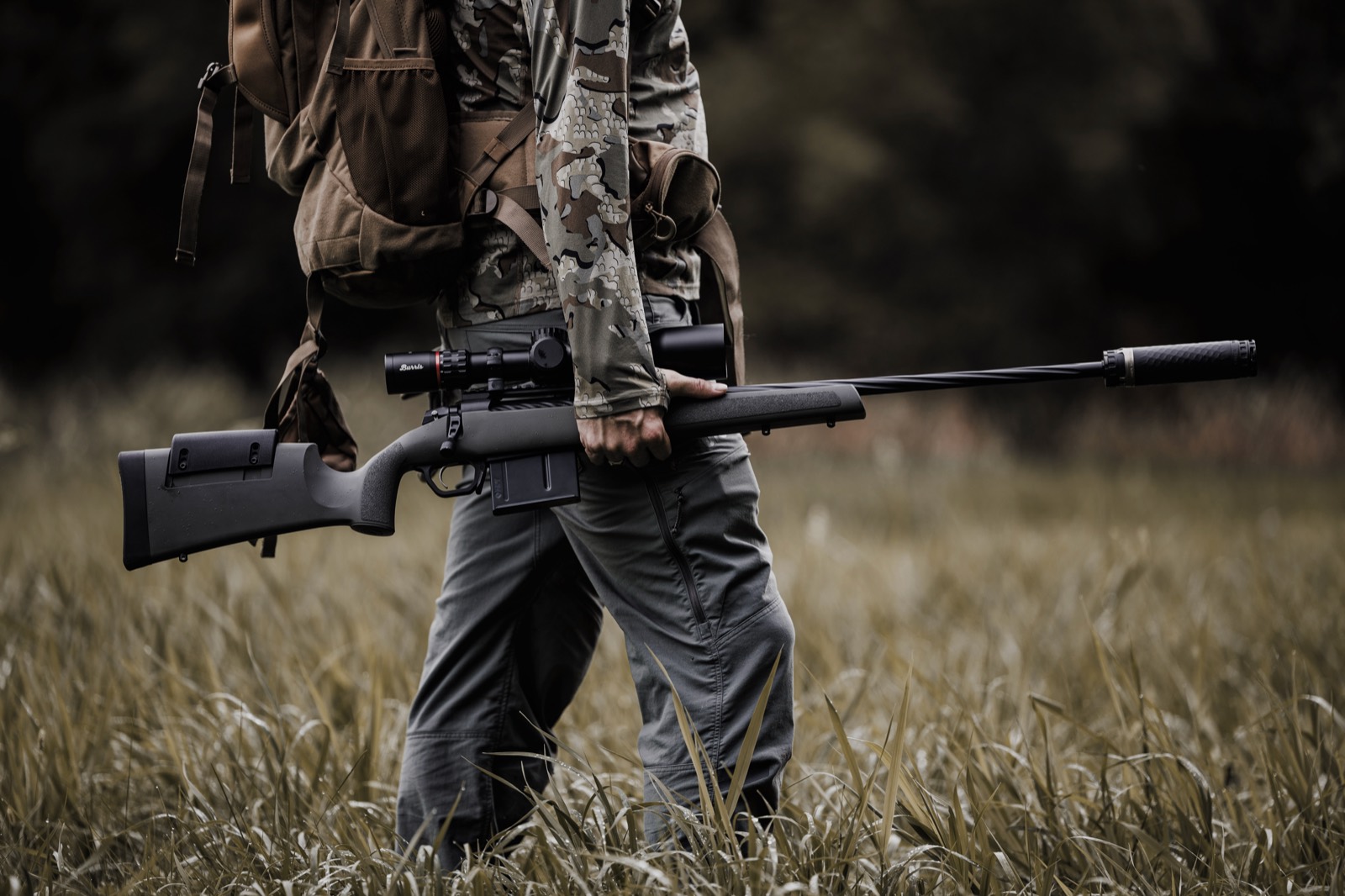
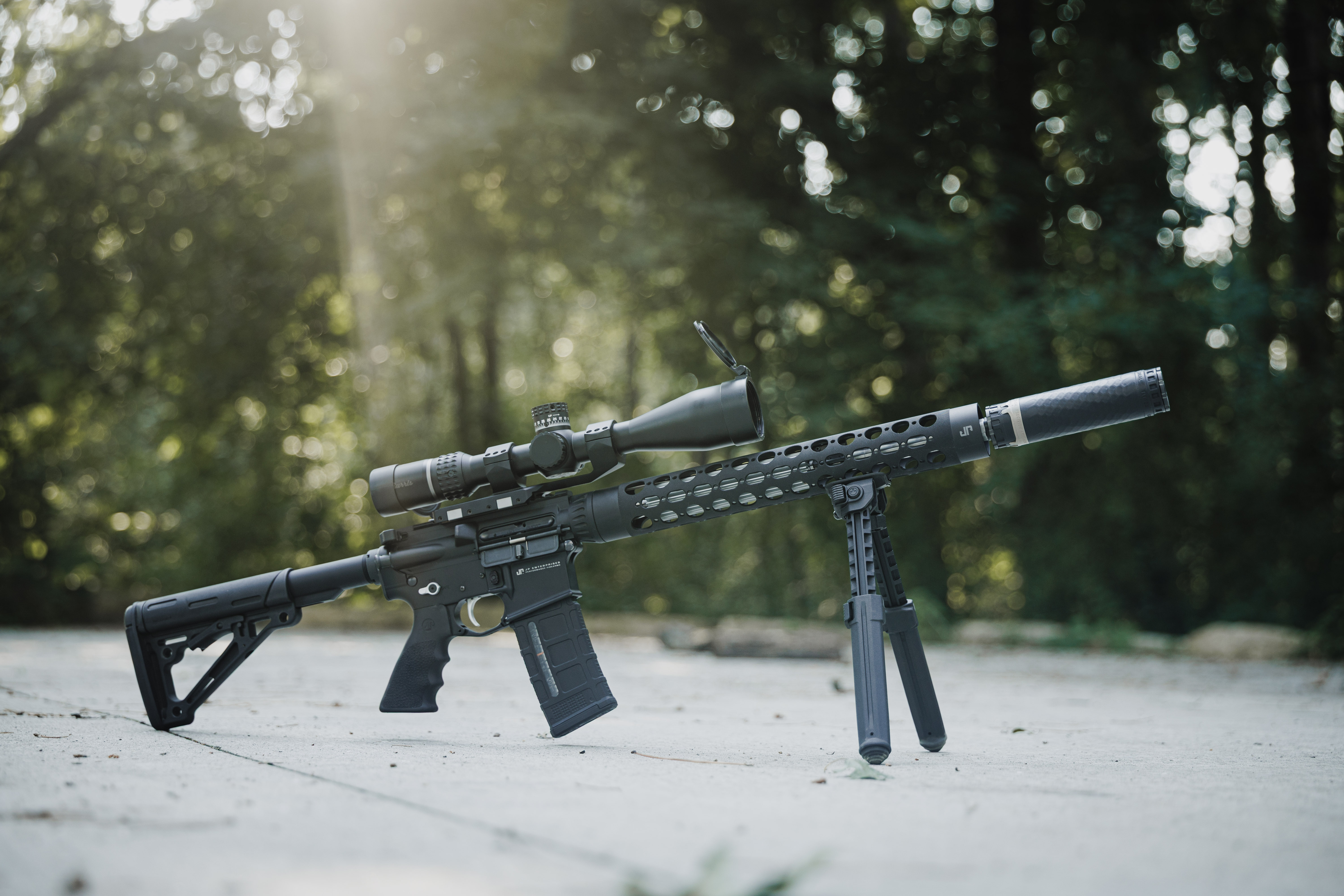
The best suppressor is the one suited to how it will actually be used. A lightweight hunting suppressor, for example, may prioritize low weight and easy handling. A suppressor intended for frequent range use or demanding firing schedules may place greater emphasis on heat resistance and durability.
Before comparing models, consider:
- The firearm or firearms it will be used on
- Caliber and cartridge
- Hunting, long-range, recreational, competition, or hard-use applications
- Expected firing schedule
- Desired balance of sound performance, size, weight, and durability
- Whether it will stay on one firearm or move between several hosts
Clarifying these priorities makes the rest of the selection process much easier.
Dedicated or Multi-Caliber?
A dedicated suppressor is designed around a narrower caliber range or application. This can provide a more purpose-built combination of size, weight, and sound performance.
A multi-caliber suppressor offers greater flexibility across compatible firearms and cartridges. That versatility can be useful for a first-time buyer who wants one suppressor to serve several hosts, although performance may vary from one setup to another.
Always confirm the manufacturer’s caliber ratings, pressure limits, and any barrel-length restrictions before use.
Size and Weight
A suppressor adds both length and weight to the end of a firearm. Longer or heavier models may offer certain performance or durability advantages, but they can also change the firearm’s balance and handling.
For a rifle carried over long distances, low weight may be a priority. For a compact platform, added length may matter more. Rather than choosing by one specification alone, consider how the suppressor will affect the complete firearm.
Materials and Firing Schedule
Suppressor materials influence weight, strength, heat tolerance, and durability.
Titanium is valued for its strength-to-weight ratio and corrosion resistance, making it well suited to applications where low weight matters. Inconel and other high-temperature alloys are often selected for demanding firing schedules because they retain strength under greater heat exposure.
One material is not automatically better than another. The right choice depends on how much weight the shooter wants to carry and how quickly and frequently the suppressor will be fired. Manufacturer firing-schedule guidance should always be followed.
Mounting Options
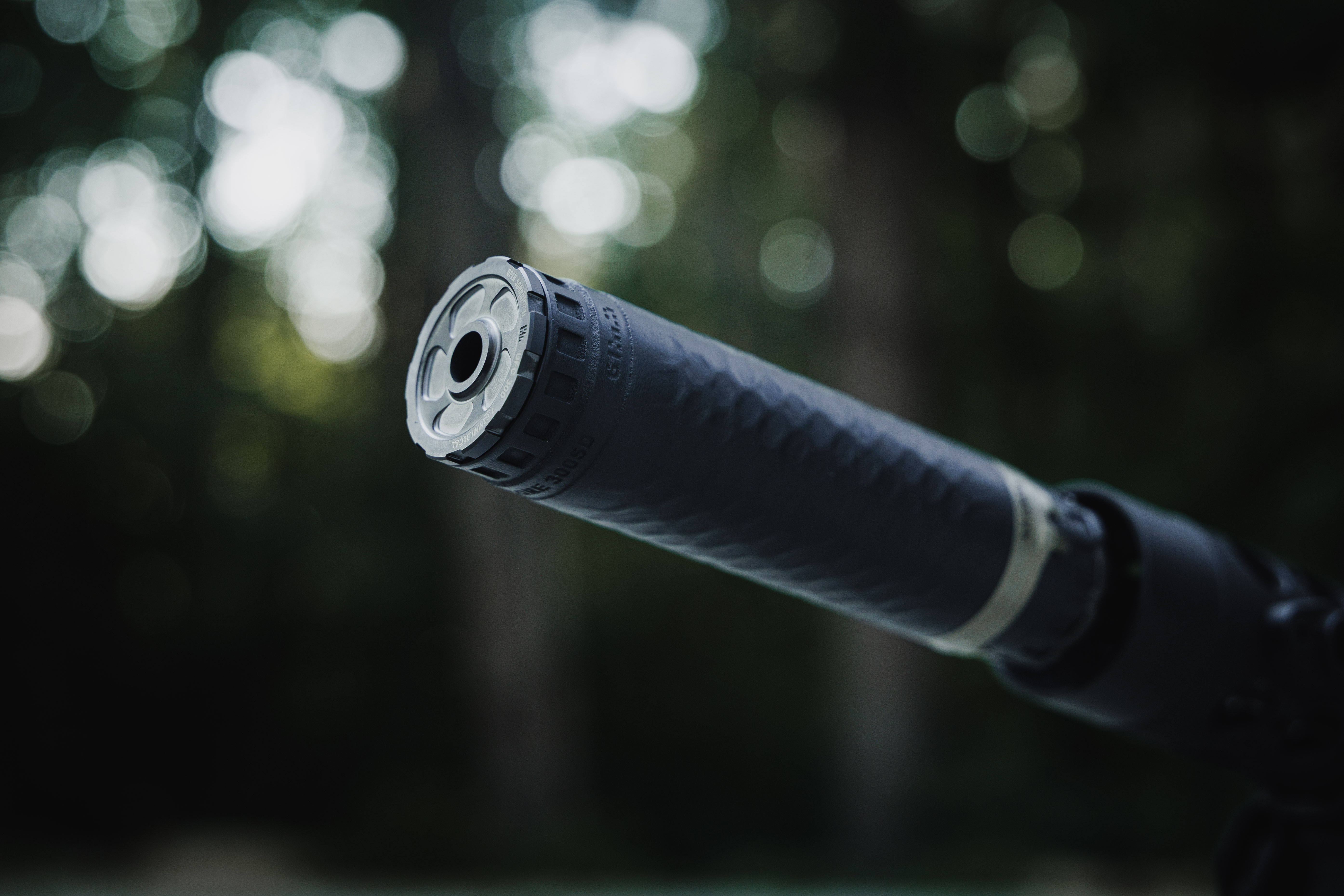
Suppressors generally attach through a direct-thread connection or a compatible mounting system.
Direct-thread suppressors screw directly onto the barrel. They can provide a simple, lightweight setup and are often a practical choice when the suppressor will remain on one firearm.
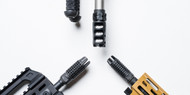
Quick-attachment or muzzle-device-based systems can make it more convenient to move a suppressor between compatible hosts. They also introduce additional components that must match the suppressor, barrel, caliber, and intended use.
Regardless of the system, correct installation, secure attachment, and proper bore alignment are essential. Follow the manufacturer’s instructions and check the suppressor for loosening before firing.
Host Firearm and Ammunition Matter
The same suppressor can perform differently on different firearms. Caliber, cartridge pressure, barrel length, firearm action, ammunition, and gas-system setup can all affect sound, recoil, flash, and the amount of gas directed back toward the shooter.
Subsonic ammunition can eliminate the bullet’s sonic crack, but it may not be appropriate for every firearm or application. Shooters should confirm reliable function, accuracy, and terminal performance for their intended use.
Point-of-Impact Shift
Adding a suppressor changes the weight and dynamics at the muzzle, which can move the location of a group on the target. This is known as point-of-impact shift.
A consistent shift does not necessarily indicate a loss of accuracy. Shooters should zero and confirm their firearm with the suppressor installed and with the ammunition they plan to use. If the suppressor will be removed and reinstalled, repeatability is also worth evaluating.
Cleaning and Maintenance
Maintenance requirements depend on suppressor type and design. Rimfire suppressors often collect more lead and fouling and may require regular cleaning. Many centerfire rifle suppressors are maintained differently and may not be user-serviceable.
Follow the manufacturer’s instructions for cleaning intervals, approved methods, disassembly, and inspection. Do not attempt to take apart a suppressor unless it is specifically designed for user service.
Understand the Purchase Process
Suppressors are regulated, and the purchase and possession requirements can vary by jurisdiction and may change over time. Before buying, confirm current federal, state, and local requirements through the appropriate authorities and a qualified dealer.
A knowledgeable dealer can also help with paperwork, compatibility, mounting components, and other costs that should be included in the total budget.
Questions to Ask Before Buying
Before making a decision, ask:
- Is it rated for my caliber, cartridge, and barrel length?
- Does its firing-schedule rating match how I shoot?
- How will its length and weight affect my firearm?
- What mounting parts or tools will I need?
- Can it be used on more than one firearm?
- Is it user-serviceable, and what maintenance is required?
- How does the manufacturer handle warranty service, repair, or long-term support?
These questions are more useful than looking for a single suppressor that claims to do everything.
Precision Armament’s Approach
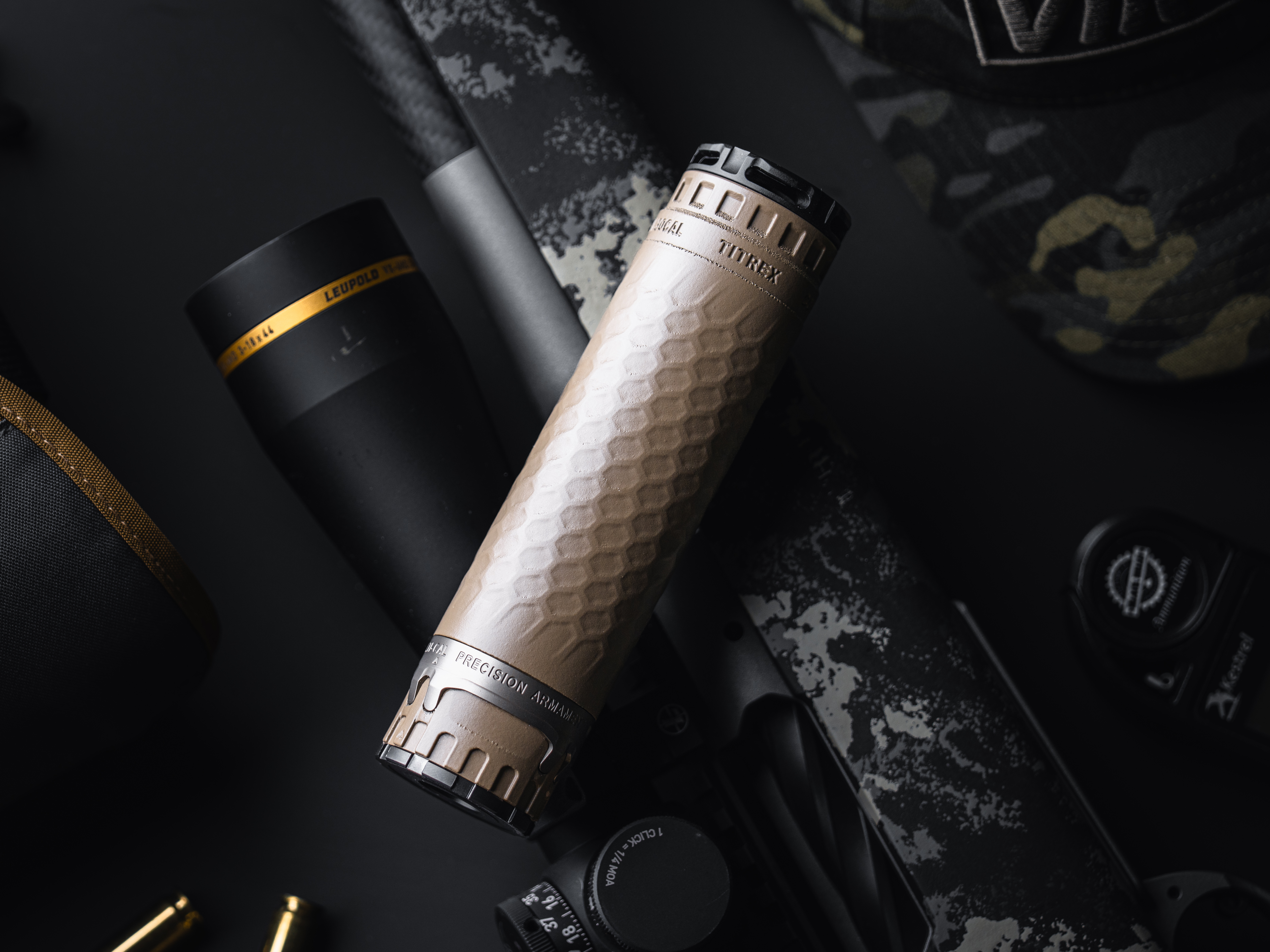
Precision Armament’s TiTrex® Series is designed around different performance priorities.
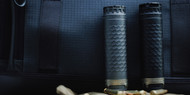
The TiTrex® 300Ti uses a lightweight, 3D-printed titanium design for shooters who prioritize compact size, low weight, and sound performance. The TiTrex® 260Ti is optimized for 6.5 mm and smaller projectiles. For more demanding, high-temperature firing schedules, the TiTrex® 300SD uses an Inconel Severe-Duty® core.
TiTrex suppressors also use Precision Armament’s replaceable X-CORE® system, allowing the serialized suppressor body to remain with the owner while the internal core can be exchanged through the company’s factory service program.
The Bottom Line
Choosing a suppressor starts with understanding the firearm, application, and shooting habits it needs to support. Caliber compatibility is essential, but weight, length, mounting, materials, maintenance, and firing schedule are just as important.
Take time to compare the complete setup, verify the manufacturer’s specifications, and work with a qualified dealer. The right first suppressor is not necessarily the largest, lightest, or most versatile option—it is the one that best fits how you plan to use it.